What Is Ceramic Coating? Polysilazane vs Graphene | Morris County NJ
Learn what ceramic coating is actually made of and how polysilazane, graphene, and borophene coating technologies differ when protecting automotive paint.

What Is a Ceramic Coating, Really? Polysilazane vs. Graphene vs. Borophene Explained
Ceramic coating has become one of the most popular forms of long-term automotive paint protection, but the term “ceramic coating” gets thrown around so much that it can start to sound like every bottle contains the same thing. In reality, ceramic coating is a broad category. Different manufacturers use different chemical systems, polymers, ceramic precursors, nanoparticles, solvents, and additives to create the protective layer that ultimately bonds to your vehicle’s paint.
At OnPoint, the coatings we typically work with fall primarily into polysilazane-based and graphene-modified ceramic technologies. Both can provide excellent protection when they are properly formulated, installed, cured, and maintained. The important part is understanding that the chemistry is only one piece of the equation. Paint preparation and proper installation are just as important as what is printed on the bottle.
What Does a Ceramic Coating Actually Do?
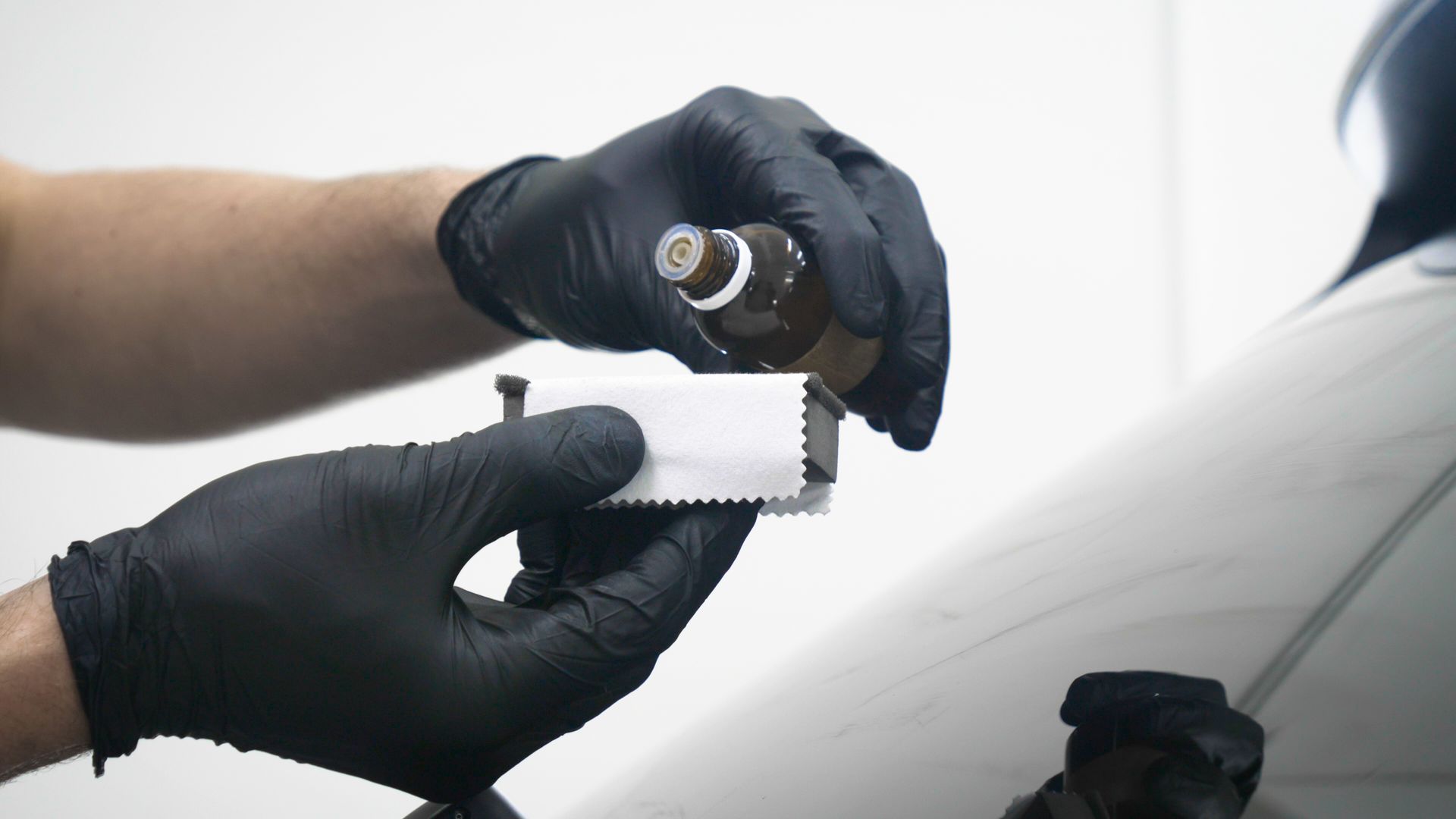
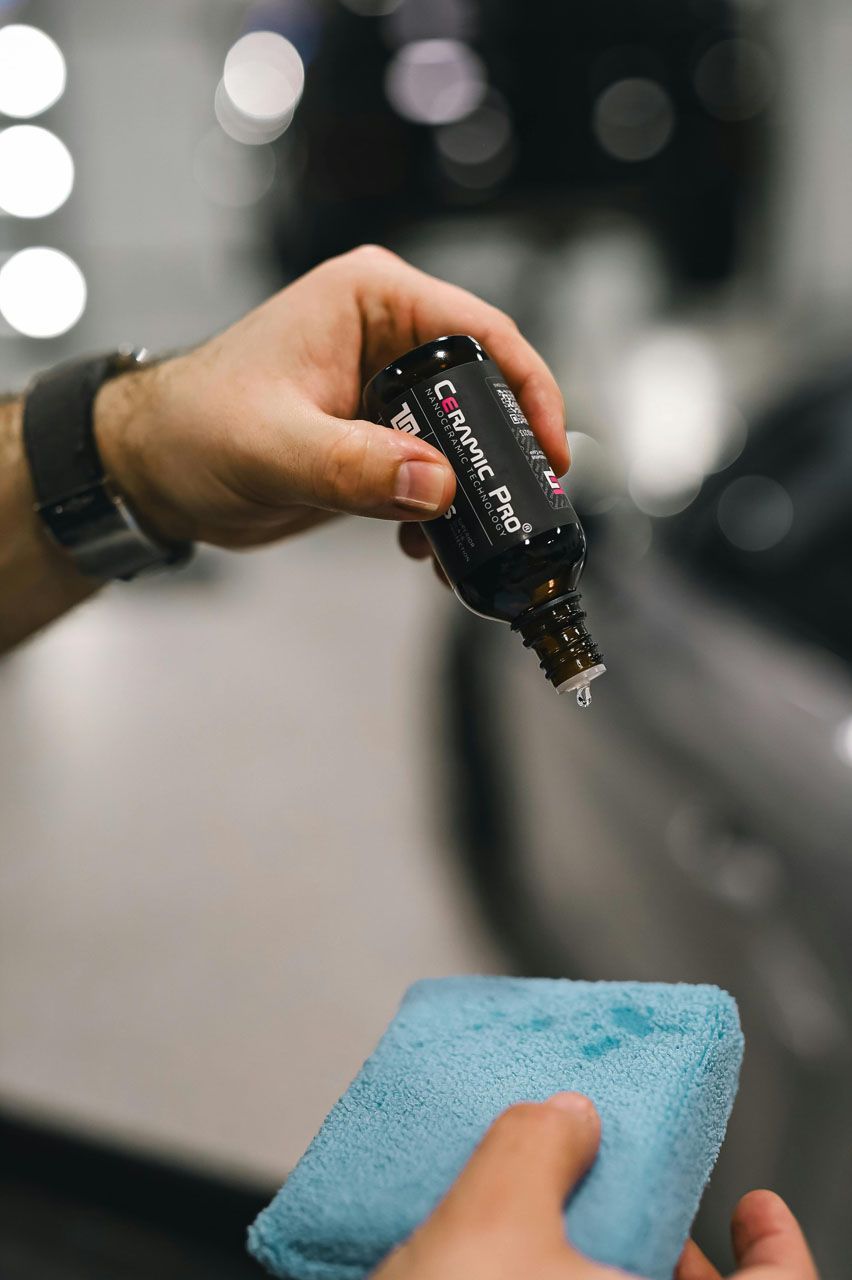
A ceramic coating starts as a liquid and is applied in an extremely thin layer over properly prepared paint. As the coating cures, its chemistry crosslinks and forms a more durable protective film over the clear coat. The result is a surface designed to resist environmental contamination, improve chemical resistance, increase hydrophobic behavior, make washing easier, and help preserve gloss and clarity.
That protective film is very different from a traditional wax that primarily sits on top of the surface and gradually wears away. A professional coating is designed to bond much more strongly to the prepared surface underneath it. That is one reason preparation matters so much: whatever condition the paint is in before coating is essentially the condition we are choosing to protect.
What Is a Polysilazane Ceramic Coating?
Polysilazanes are a family of silicon- and nitrogen-containing polymers that have been used as precursors for high-performance ceramic materials and coatings. Their molecular backbone contains silicon and nitrogen, and these materials are valued in coating science for characteristics including adhesion, chemical stability, and the ability to form durable ceramic-like networks as they cure.
In automotive applications, a properly formulated polysilazane coating can create a dense, durable protective layer over the paint. Rather than simply making the vehicle shiny for a short period of time, the objective is to create a long-term barrier that helps separate the clear coat from contamination, chemicals, UV exposure, road grime, and the everyday abuse the vehicle experiences.
This is one of the coating technologies we commonly use at OnPoint because it fits the way we approach vehicle protection: prepare the finish correctly first, then install protection designed to stay with the vehicle for the long term.
What Is a Graphene Ceramic Coating?
Graphene is a two-dimensional form of carbon made from an extremely thin arrangement of carbon atoms. In materials science, graphene and related materials such as graphene oxide have attracted a tremendous amount of attention because of their barrier, mechanical, thermal, and chemical properties.
In protective coatings, graphene-derived materials can be incorporated into a larger polymer or ceramic matrix. When properly dispersed, the graphene-based material can help create a more difficult path for water, oxygen, salts, and other contaminants to travel through the coating. Researchers often describe this as creating a more “tortuous” barrier pathway through the protective film.
That distinction is important because a “graphene coating” generally does not mean someone is laying a perfect sheet of pure graphene over your entire vehicle. It is better understood as a ceramic or polymer coating system that has been modified with graphene-derived technology to change or enhance certain properties of the overall formula.
Is Graphene Better Than Polysilazane?
Not automatically.
This is where detailing marketing can get ahead of reality. Seeing “graphene” written on a bottle does not automatically mean that product is superior to every traditional ceramic coating. Performance depends on the entire formulation: the base chemistry, concentration and dispersion of the additives, curing process, adhesion, film quality, and how the product performs after months and years of real-world exposure.
A well-developed polysilazane coating can outperform a poorly formulated graphene coating, and a well-developed graphene-modified coating can perform extremely well in its intended application. That is why we choose coatings based on the protection package and result we are trying to provide rather than simply chasing whichever chemical name happens to be newest.
What About Borophene Coatings?
Borophene is one of the newer names beginning to appear in automotive coating marketing. True borophene is a legitimate advanced material consisting of an atomically thin layer of boron, somewhat analogous to how graphene is an atomically thin form of carbon.
The important distinction is that true borophene is still an extremely advanced material with significant challenges involving stability, synthesis, and practical large-scale use. Current scientific literature continues to describe environmental stability and scalable manufacturing as major obstacles for true borophene.
That does not mean every automotive coating marketed with the borophene name is fake. It means consumers should look deeper than the marketing term. Some commercial products described as borophene coatings use boron nitride, boron-containing additives, silica nanoparticles, or other boron-modified ceramic systems rather than a literal layer of pure borophene. These materials can still be legitimate coating technologies, but boron nitride, boron-containing ceramics, and true borophene are not chemically the same thing.
The Chemistry Matters, but Preparation Matters More Than Most People Realize
You can buy the most technologically advanced ceramic coating available and still get a mediocre result if the paint underneath it was not properly prepared.
Ceramic coating does not remove swirl marks. It does not repair scratches. It does not fix oxidation. If those defects exist before the coating is applied, they will still exist underneath the coating afterward.
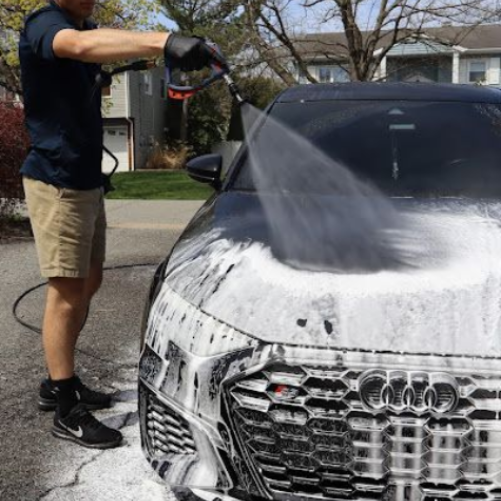
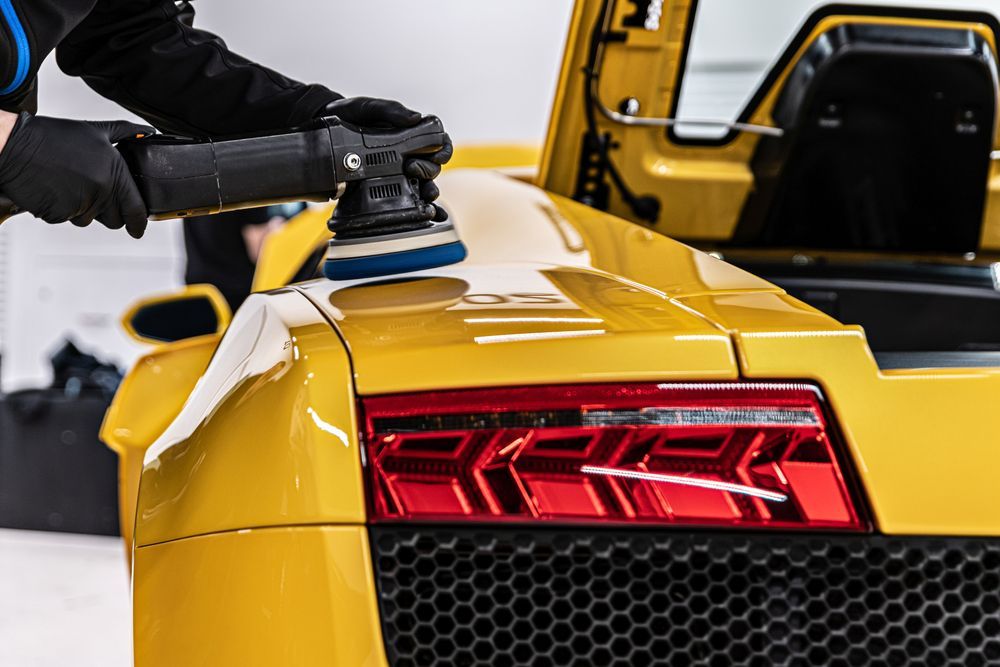
That is why our ceramic coating process begins with evaluating the paint itself. Depending on the vehicle, preparation may involve decontamination, polishing, or more involved paint correction before any coating ever touches the surface. Our goal is to get the finish where it needs to be first and then use the coating to preserve that result.
A Coating Is a System, Not Just a Product
Customers understandably want to know which coating is “best,” but there is rarely one chemical technology that wins every category for every vehicle.
A coating system includes the condition of the paint, preparation process, correction work, coating chemistry, application, cure process, how the vehicle is used, and how it is maintained afterward. Every one of those factors contributes to how the vehicle will look several years from now.
That is why we are much more interested in matching the right protection to the vehicle than selling someone based on a buzzword like graphene, 9H, 10H, or the newest material name appearing on social media.
Ceramic Coating in Morris County, New Jersey
OnPoint Mobile Detail provides professional ceramic coating and paint correction throughout Morris County, including Morristown, Chatham, Mendham, Mountain Lakes, Randolph, Montville, Madison, Florham Park, Denville, Rockaway, Boonton, Parsippany, and surrounding North Jersey communities.
We use professional coating systems based primarily around proven polysilazane and graphene-modified ceramic technologies, depending on the vehicle and protection package being installed. More importantly, we focus heavily on what happens before the coating goes on: inspecting the finish, preparing the paint correctly, correcting defects when necessary, and creating the best possible foundation for the protection.
So What Ceramic Coating Should You Choose?
You do not need to become a chemist before protecting your vehicle.
Understanding the terminology is useful, but the most important questions are whether the coating is a proven product, whether it fits the way your vehicle is used, whether the paint is being prepared correctly, and whether the installer will help you maintain the protection afterward.
At OnPoint, that is how we look at the entire process. We restore the paint when necessary, choose the appropriate protection system, install it properly, and then help maintain it throughout its life.
The chemistry inside the bottle matters. What happens before and after the bottle is opened matters just as much.