
Ceramic Coating for Winter & Road Salt | Morris County NJ
Learn why ceramic coating is ideal for New Jersey winters, helping protect automotive paint from road salt, grime, UV exposure, chemical contamination, and harsh seasonal conditions.
New Paragraph
Why Ceramic Coating Makes So Much Sense Before a New Jersey Winter
When most people see a ceramic-coated vehicle, they notice the gloss and the way water beads off the paint. Those are great benefits, but they are not the real reason ceramic coating technology is so impressive. At its core, ceramic protection is about creating a more durable barrier between a painted surface and the environment trying to damage it.
Coating technologies related to the products we use today have a long history in demanding industrial and marine applications. Polysilazane ceramic coatings entered the superyacht industry as a way to help preserve extremely expensive painted surfaces that were constantly exposed to salt water, UV radiation, exhaust contamination, weather, and repeated cleaning. Those are environments where keeping paint looking good is not simply about adding shine — it is about protecting a surface from ongoing chemical and environmental abuse.
Your daily driver may not be crossing the Atlantic, but a New Jersey winter creates its own version of that problem.
Road Salt Is More Than Just Dirt on Your Paint
Once winter arrives, our roads become covered in salt, brine, slush, road film, and grime. Every time you drive, that contamination is thrown onto the lower doors, quarter panels, bumpers, wheels, and other exterior surfaces of the vehicle.
The biggest mistake is thinking of this simply as a cleanliness problem. Road salt and winter chemicals are contaminants that you do not want repeatedly sitting directly against an unprotected painted surface. Add freezing temperatures, wet weather, repeated thaw cycles, and months of winter driving, and your vehicle is experiencing some of the harshest conditions it will see all year.
Ceramic coating gives the painted surface an additional sacrificial layer between the clear coat and that contamination. It does not make the vehicle invincible, but it helps keep dirt, salt, and road film from bonding as aggressively to the surface and makes regular cleaning significantly easier.
The Same Reasons Ceramics Work in Marine Environments Matter Here
Salt exposure, UV radiation, chemical contamination, oxidation, and difficult maintenance are major reasons ceramic coatings have found a home in marine applications. Modern marine ceramic coatings are specifically marketed for their ability to protect surfaces against salt spray, UV exposure, oxidation, and environmental contamination while making those surfaces easier to maintain.
Those same properties translate incredibly well to automotive ownership. Your car is constantly exposed to sunlight during the summer and then salt, road film, and harsh contamination during the winter. Instead of repeatedly relying on short-term wax protection, ceramic coating provides a much longer-term solution designed around preserving the surface underneath it.
Winter Protection Starts Before the First Snowstorm
The best time to think about winter protection is not after the vehicle has spent two months covered in road salt. Ideally, we want to prepare the paint while it is still clean, inspect its condition, correct defects if necessary, and install the coating before winter contamination becomes a daily problem.
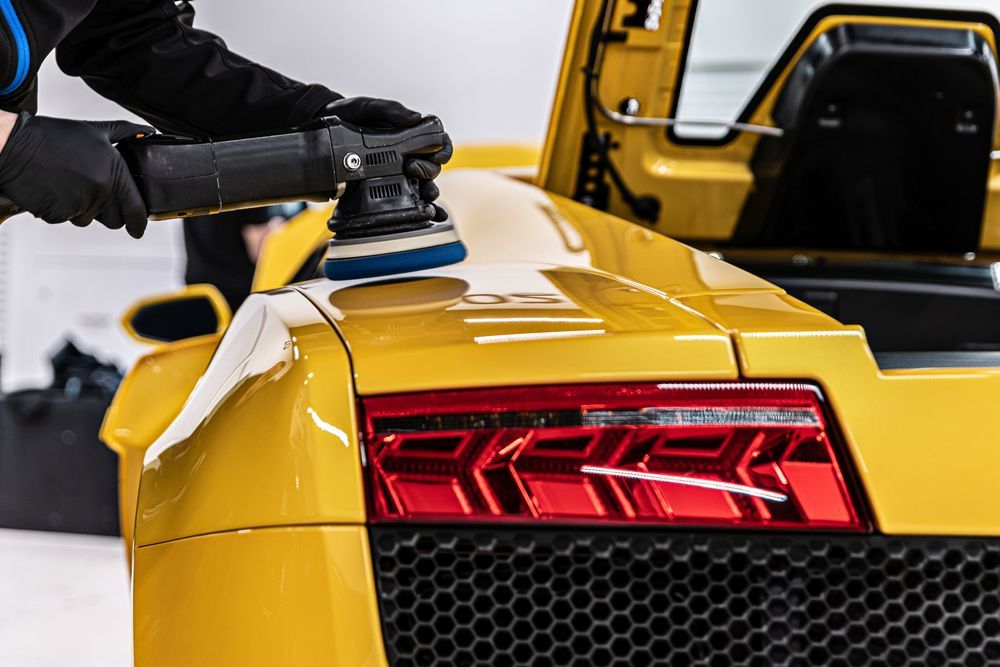
Preparation is one of the most important parts of the process. If the vehicle already has swirl marks, oxidation, haze, water spotting, or other paint defects, ceramic coating will not magically remove them. Depending on the condition of the vehicle, we may recommend paint correction first so we are protecting the best version of the finish rather than simply coating over existing damage.
Once the paint is properly prepared, the ceramic coating becomes the barrier protecting that restored finish throughout winter and beyond.
Ceramic Coating Helps Preserve More Than Just Gloss
Gloss is one of the most noticeable differences after a coating is installed, but long-term preservation is the bigger goal. UV exposure gradually affects automotive finishes, while environmental contamination and aggressive cleaning can slowly reduce clarity and gloss over time.
In demanding marine environments, ceramic coatings are used specifically because protecting the existing painted finish can help maintain gloss and reduce how aggressively the surface needs to be cleaned. The same philosophy applies to your vehicle: protect the finish so you spend less time repeatedly restoring damage that could have been prevented or minimized in the first place.
That is especially valuable for an owner who plans on keeping their vehicle for several years. Whether it is a luxury SUV, daily-driven sedan, work truck, weekend car, or performance vehicle, preserving the finish becomes much easier when you start with proper protection.
Ceramic Coating Does Not Mean You Can Ignore Winter Maintenance
Protection is only half of the equation. Ceramic coating does not mean you should allow road salt to sit on the vehicle for the entire winter.
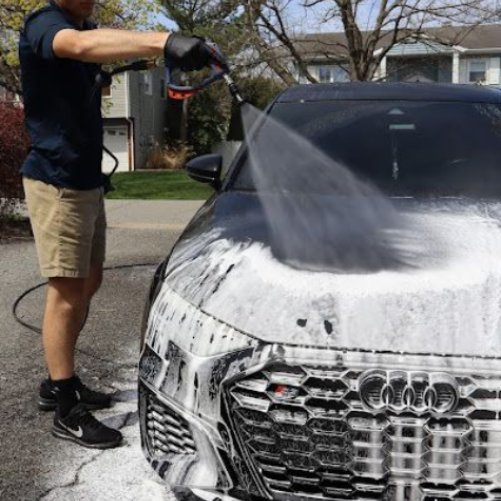
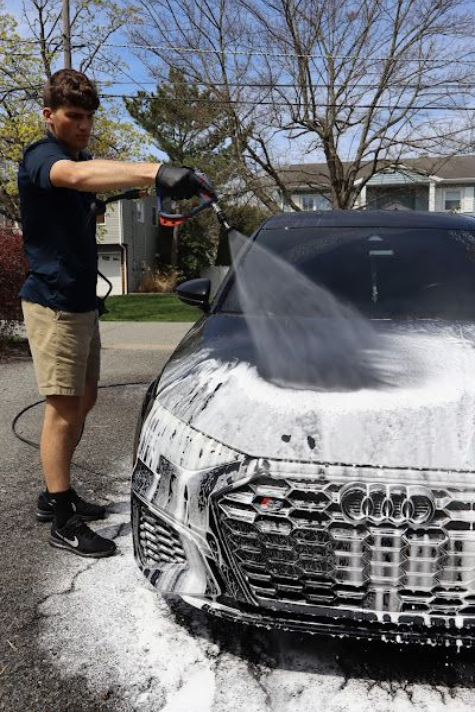
The coating makes the vehicle easier to clean and provides an additional barrier over the paint, but proper maintenance is still necessary. Salt and road grime should be removed regularly, the vehicle should be washed using safe techniques, and the coating should periodically be inspected and maintained.
This is where our approach at OnPoint is different from simply installing a coating and sending the vehicle away. We want to help keep the protection performing and the finish underneath it looking its best throughout the life of the coating.
Restore it. Protect it. Maintain it.
Winter Ceramic Coating in Morris County, New Jersey
OnPoint Mobile Detail provides professional ceramic coating and paint correction throughout Morris County, including Morristown, Chatham, Mendham, Mountain Lakes, Randolph, Montville, Madison, Florham Park, Denville, Rockaway, Boonton, Parsippany, and surrounding North Jersey communities.
New Jersey vehicles deal with salt, brine, snow, road grime, UV exposure, pollen, rain, and contamination throughout the year. Ceramic coating gives us a way to properly prepare the paint and put durable protection between that finish and the environment it faces every day.
Protect the Paint Before Winter Starts Taking Its Toll
Ceramic coating technology makes sense in some of the harshest environments because it was designed around a simple idea: protect the surface underneath it from the environment around it.
That same idea makes perfect sense for a vehicle heading into another New Jersey winter.
If you care about keeping your paint looking its best, making winter cleaning easier, and protecting the finish from salt, grime, UV exposure, and environmental contamination, fall is one of the best times to have the vehicle properly prepared and ceramic coated.
Do not wait until spring to repair what winter could have been prevented from beating up in the first place. Protect it before the salt ever hits the road.